
How to Determine the Authenticity of a Premium Jewelry Piece


Author: Ekaterina Eynullaeva
Position: Expert in the appraisal of high-end jewelry
Specialization: Diagnostics, authentication, and valuation of premium-segment jewelry
Purchasing luxury-class jewelry requires not only taste but also a professional approach. Counterfeits on the market are becoming increasingly sophisticated, and visual similarity to the original no longer guarantees authenticity. In this article, we will examine the main stages of verifying elite jewelry—from visual inspection to laboratory examination.
Brand Hallmarks and Serial Markings
Every prestigious brand uses its own identification system. Authentic pieces typically include:
the brand’s hallmark or logo;
the metal purity mark (for example, Au 750, Pt 950, Ag 925);
an individual serial number or model code.
The engraving is always executed with high precision: the lines are clean, the depth is uniform, and the symbols remain clearly legible even under magnification. Any blurring, uneven lettering, or non-standard font should prompt additional verification.

Craftsmanship Quality and Level of Finishing
Authentic jewelry pieces are distinguished by flawless mechanical finishing. Particular attention should be paid to:
the inner surface of the piece;
the junctions where links and components are connected;
the stone settings.
The cut of precious stones is symmetrical, the facets are sharply defined, and light is distributed evenly. Stones are secured mechanically—any traces of glue or looseness are unacceptable in premium-class jewelry.
Weight and Proportions of the Piece
Gold, platinum, and palladium have high density. Authentic jewelry pieces are noticeably heavier than similar items made from low-grade alloys or with electroplated coatings. Any discrepancy between the weight and the brand’s official specifications is grounds for instrumental diagnostics.

Documentation and Proof of Origin
Certificate of Authenticity
An official certificate contains information about the model, serial number, metal composition, and gemstone characteristics. The document is printed on protected branded paper and includes security features.
Modern brands increasingly use electronic certificates activated at the time of purchase. The serial number on the piece must fully match the number registered in the brand’s system.
Purchase Documentation
An official receipt and an international warranty confirm the origin of the jewelry. For vintage pieces, the absence of documents may be acceptable but requires independent expert verification.
Instrumental Examination
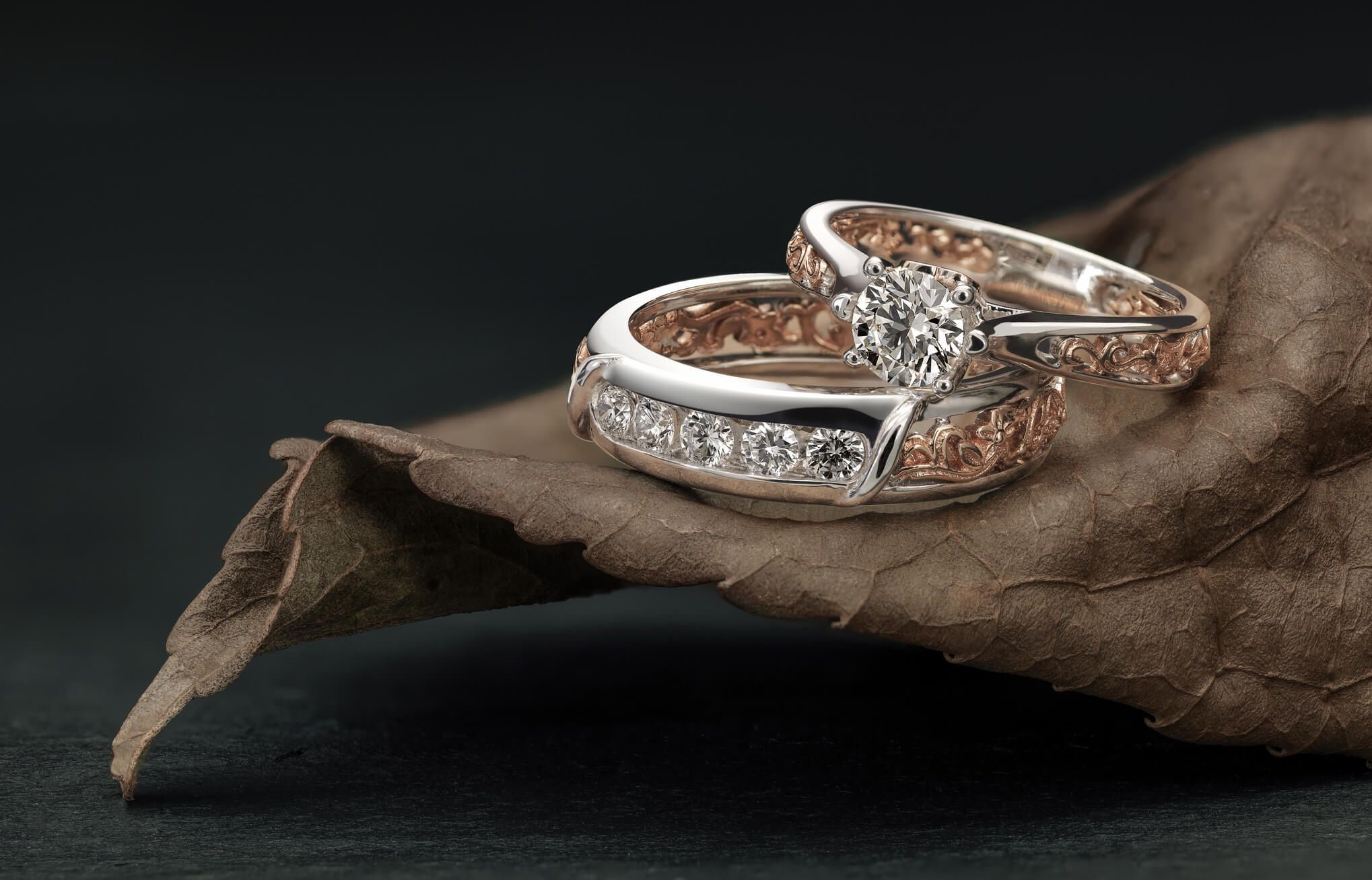
Professional authentication includes:
microscopic examination of the internal structure of gemstones;
spectral analysis to detect synthetic inclusions;
X-ray fluorescence analysis of the metal.
The XRF method makes it possible to accurately determine the percentage composition of precious metals without damaging the piece. For example, a 750 hallmark must contain 75% gold with only minimal deviation.
Treated stones (such as those subjected to heating or fracture filling) are still considered natural; however, this information must be clearly disclosed in certification documents.
Verification Features of Key Brands
Cartier
Authentic pieces from Cartier are characterized by deep and precise logo engraving along with an individual identification code. Modern items typically feature an alphanumeric serial number engraved on the inner surface. Earlier collections may have been produced without serial numbers, which is not necessarily a sign of a counterfeit.
A metal purity mark and branded packaging are considered standard for genuine pieces.
Tiffany & Co.
Authentic pieces are marked “T&Co.” or the full brand name together with the metal purity mark. Designer signatures—such as those of Jean Schlumberger, Paloma Picasso, Elsa Peretti, and Angela Cummings—can significantly increase the value of a piece.
Silver items often include additional batch or order numbers.
Bulgari
Authentic jewelry features the distinctive “BVLGARI” inscription, a metal purity mark, and a model code. Modern pieces are frequently accompanied by an electronic certificate of authenticity. The design language of Bulgari is recognizable for its bold volumes and distinctive geometric forms.
Signs of a Suspicious Transaction
When making a purchase, caution is warranted if:
the price is significantly below the market level;
the seller avoids independent expert verification;
there are discrepancies between the markings and the documentation;
the origin of the piece is described vaguely or unclearly.
On the secondary market, prestigious jewelry typically retains at least 60–70% of its original value.
Conclusion
Authenticity verification of high-end jewelry requires a comprehensive approach. Visual inspection, analysis of hallmarks, verification of documentation, and instrumental diagnostics help minimize risks.
Before making a purchase, it is recommended to:
examine the engraving under magnification;
verify the serial numbers;
check the quality of the stone settings and overall finishing;
consult an independent expert if necessary.
A quick instrumental diagnostic typically takes 10–15 minutes, while a full expert examination with a written report may take up to three working days. For collectible and investment-grade pieces, professional verification is considered an essential step in the transaction.